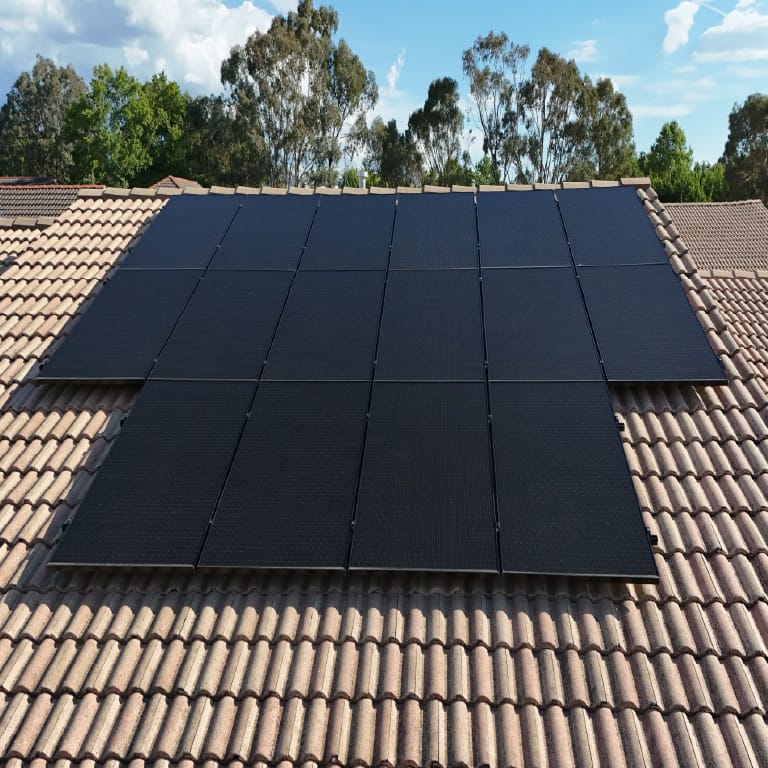
As the demand for renewable energy sources continues to increase, the number of businesses who are transferring ownership of solar assets from one company to another continues to climb. The transfer process from one asset owner to another can be a very complex and time-consuming transaction, but there are several ways to mitigate risk for both parties.
“The average large tenant holds a 10 year lease, and REITs often transfer ownership every 7–10 years, depending on the investor. So reasonably, a solar power system could serve as many as 2.5 building tenants and/or 3 different property owners during the life of the equipment.”
1. To Provide a Comprehensive View of Solar Assets
Aerial inspections involve the use of drones equipped with cameras and other sensors to capture detailed images and data from above. These inspections provide a unique and comprehensive view of all solar assets, allowing for the identification of potential issues that may not be visible from the ground. This type of inspection is particularly useful when assessing the condition of large solar arrays, as it can be challenging and time-consuming to inspect every panel and component on the ground.
2. To Reduce Unexpected Problems Arising
By incorporating aerial inspections into the handover process, potential issues can be identified early on in the process and addressed before the transfer takes place. This will lower the risk for future litigation and help reduce the risk of unexpected problems that could arise during the transfer, such as hidden damage or faults in the solar panels or wiring. Aerial inspections can also identify any potential safety hazards, such as loose or damaged components, that may need to be addressed before the transfer can take place.
3. To Provide Valuable Data to the New Owners
Additionally, aerial inspections can provide valuable data to the new owners of the solar assets. This data can include information on the condition of the solar panels, the efficiency of the array, and any necessary repairs or maintenance that may be required. This information can be used to develop a comprehensive maintenance plan for the new owner, ensuring that they are fully aware of the state of the assets they are acquiring and any associated costs.
4. To Ensure Compliance with Regulations and Standards
Incorporating drone inspections into the handover process can also help to ensure compliance with regulations and standards. Solar assets are subject to a range of regulations such as IEC TS 62446–3 standards, and those relating to safety and environmental issues. Drone data can prioritize these critical issues and provide deliverables in reporting that highlights potential compliance issues. This allows the identified concerns to be addressed before the transfer takes place to ensure the new owners are fully compliant with all relevant regulations.
5. To Reduce Time and Cost of the Handover Process
Finally, aerial inspections can be carried out quickly and efficiently, reducing the time and cost of the handover process. Traditional methods of inspection, such as manual inspections or ground-based surveys, can be time-consuming and expensive. Aerial inspections, on the other hand, can cover a large area quickly and provide detailed data that can be analyzed and used to inform for a faster decision-making process.